5 Questions with Brooke Franklin
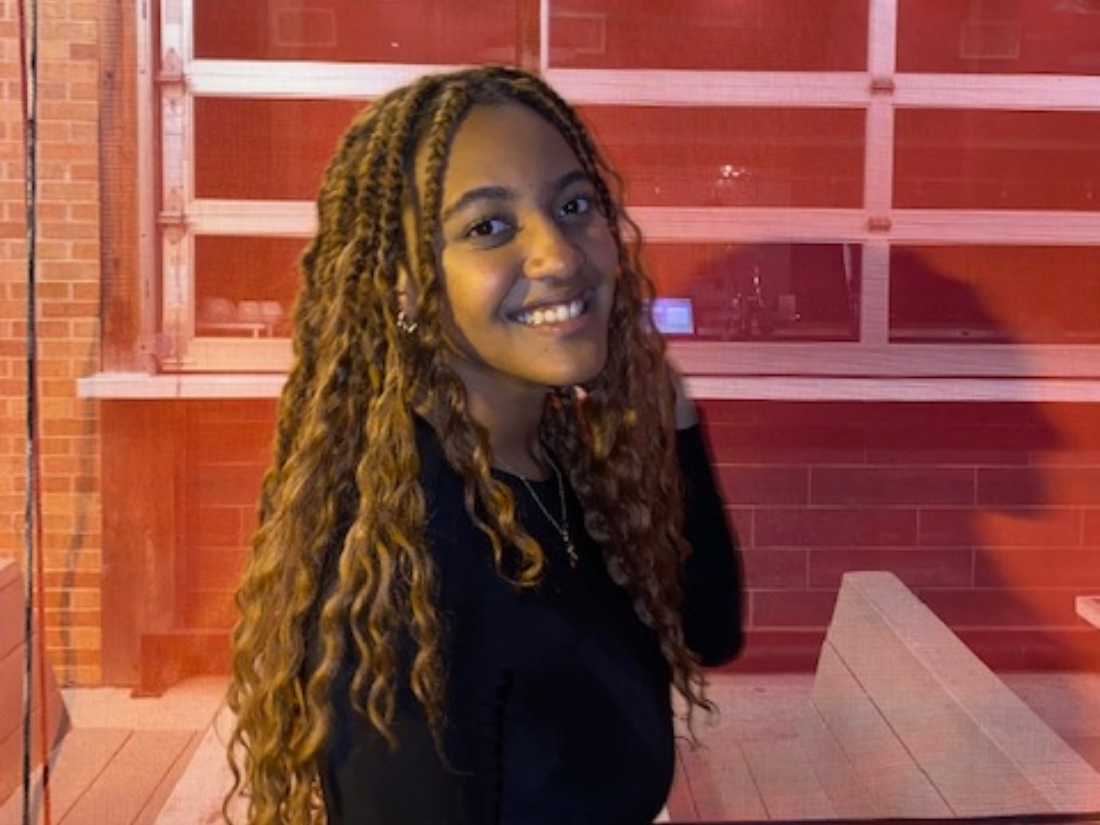
UT PGE sat down for a conversation with junior petroleum engineering major and Women in Petroleum and Geosystems Engineering president Brooke Franklin (BSPE ’23) to talk about her podcast, how she mentors fellow students, her take on the future of oil and gas, and more.
So, you host a podcast?
When I was home during the pandemic, I did create a podcast called “Into the Ordinary” as a way to test myself and see if I could learn some new skills. I focused each show on finding beauty in everyday life — in the first episode, I interviewed my grandmother about losing my grandfather to Alzheimer’s and what it’s like being ½ Black and ½ Filipino in this country. It was super-healing for both of us.
How are you involved in UT PGE?
I’m president of Women in Petroleum and Geosystems Engineering, and my goal is to make sure that other PGE women feel the same sense of support that I’ve felt. I’m also a PEN Pal mentor to new PGE students. I love encouraging them to express their personalities and be all they want to be. It makes the department that much richer and more colorful for all of us.
How did you spend your summer?
I interned for Amazon in Dallas and worked on employee engagement and company culture. We interviewed employees, walked the warehouse floor, compiled and analyzed all the data, and proposed solutions based on what we heard. There’s no better feeling than when you have a great team completing a project that really matters. The real-time impact is right in front of you.
Where do you see the oil and gas industry in the next 10 to 15 years?
My generation sees the benefit of being environmentally conscious, and we want to work for companies who are part of the energy transition to manage the resources we have on Earth more effectively. If we tighten up our processes and focus on developing new technologies, we can make oil and gas cleaner and more efficient — and we can scale it globally.
What’s next for you?
I’m trying to decide about grad school, maybe getting an MBA or a dual degree in engineering and AI or machine learning. I really love the data analytics side of petroleum engineering. Your data has to tell the whole story — and you have to be able to break it down so people understand it, particularly in energy where so much is at stake.