
Graduate
Be an Energy Leader. Be a Longhorn.
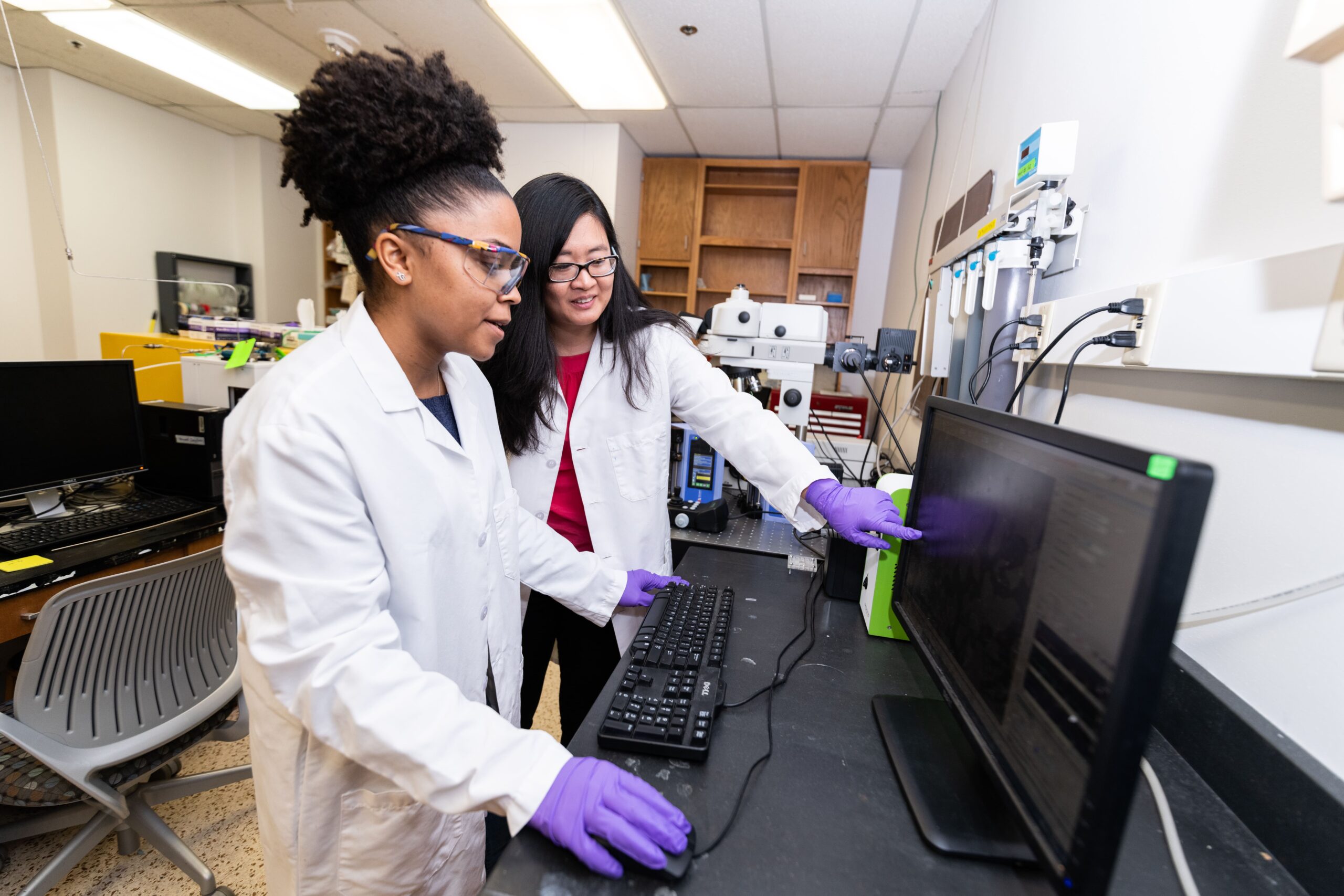
The University of Texas at Austin’s top-ranked petroleum engineering graduate program is a strong and influential community that is dedicated to changing the world — 150 students, $16 million secured in research funding last year alone, and 1,500+ alumni with graduate degrees.
Petroleum Engineering Graduate Program in the Nation
Faculty in National Academy of Engineering
Graduate Students are Women
UT PGE graduate students tackle the Earth’s complex resource challenges and are leading the way to a sustainable and equitable energy future through cutting-edge research in subsurface engineering fields, from traditional oil and gas to geothermal energy, carbon capture and storage, hydrogen storage, AI/data analytics, rare Earth minerals recovery, methane emissions mitigation and more.
UT PGE’s education and research enable students to make an impact on society by finding solutions to our greatest energy challenges. Our internationally recognized tradition of excellence stems from a robust curriculum, exceptional faculty and unmatched, innovative research.
UT PGE offers M.S. and Ph.D. programs, both housed on the UT Austin campus.
Ready to Apply?
Application for admission to the Graduate School is a multi-step process. The application process may take several weeks to complete; you should apply well in advance of the deadline to ensure adequate time to submit all required items. After you apply, keep up with it all by monitoring MyStatus.
Application deadlines for the UT PGE graduate program:
- Fall/Summer: December 1st
- Spring: September 1st
In the classroom, students will receive a robust education from world-class professors who have literally written the books on petroleum engineering. Graduate students conduct research in state-of-the-art facilities that provide unique capabilities in a variety of areas, including big data, production logging, vertical and inclined flow in wells, artificial lift, core flooding for enhanced oil recovery, subsurface environmental remediation, drilling, rock mechanics, well log digitizing and interpretation, PVT analysis, and more.
Since many energy companies conduct worldwide operations, petroleum engineers may have the opportunity to work on assignments around the globe. Petroleum engineers must solve a variety of technological, political and economic problems encountered in these assignments. Together, these exciting challenges offer a petroleum engineer a most rewarding career.
We invite you to become part of our diverse community recognized internationally for its bold, innovative spirit. Define your future as you pursue your professional passions, explore new interests and re-evaluate long-held industry ideas — all while redefining what’s possible.
See Our Virtual Info Sessions
Did you miss our info sessions? Check out a recording and the associated slides on UT PGE’s YouTube Grad Program playlist.
Recent Theses and Dissertations
UT PGE graduate students produce influential reports, theses and dissertations that help solve the oil and gas industry’s recovery and environmental challenges. Below are some of their most recent works. Visit the UT Libraries online collection for more.
No publications found.